Functional mushrooms: nature's allies for modern health
Mushroom coffee is a $38 billion bet — here's what the research actually backs up.
Mushrooms are having a moment. Lion's mane, reishi, cordyceps, chaga, turkey tail, shiitake — these were once fringe herbalism. Now they're in your coffee, your tea, your supplement stack. People take them for cognition, energy, immunity, stress, and gut health. And no, they have nothing to do with psychedelic mushrooms. No psilocybin here. (Although you can check out our article about psychedelics here).
This trend didn't come from nowhere. It sits at the crossroads of plant-based eating, preventive health, traditional East Asian medicine, and a growing appetite for "functional" products that promise more than basic nutrition. Mushroom coffee. Lion's mane nootropics. Cordyceps sports nutrition. All riding the same wave.
The numbers back it up. One research firm projects the global functional-mushroom market will hit $38.7 billion in 2026, climbing to $63.4 billion by 2033. In U.S. natural retail channels, mushroom products pulled in $24.4 million in sales during the 52 weeks ending October 6, 2024 — up 19.1% year over year.
The leading species:
Lion's mane (Hericium erinaceus): Marketed for attention, memory, and brain health, thanks partly to compounds called hericenones and erinacines. The human evidence is still emerging, not conclusive.
Reishi (Ganoderma lucidum): Framed as calming and immune-supportive. Common in evening teas, powders, and tinctures.
Cordyceps: Positioned around endurance, energy, and exercise performance — a staple in pre-workout blends and functional coffees.
Chaga: Popular in earthy coffee and tea alternatives, generally marketed for antioxidant and immune-support qualities.
Turkey tail and maitake: Common in immune-support blends, largely because of their cell-wall polysaccharides, including beta-glucans — a major focus of the category's health messaging.
What are functional mushrooms, exactly?
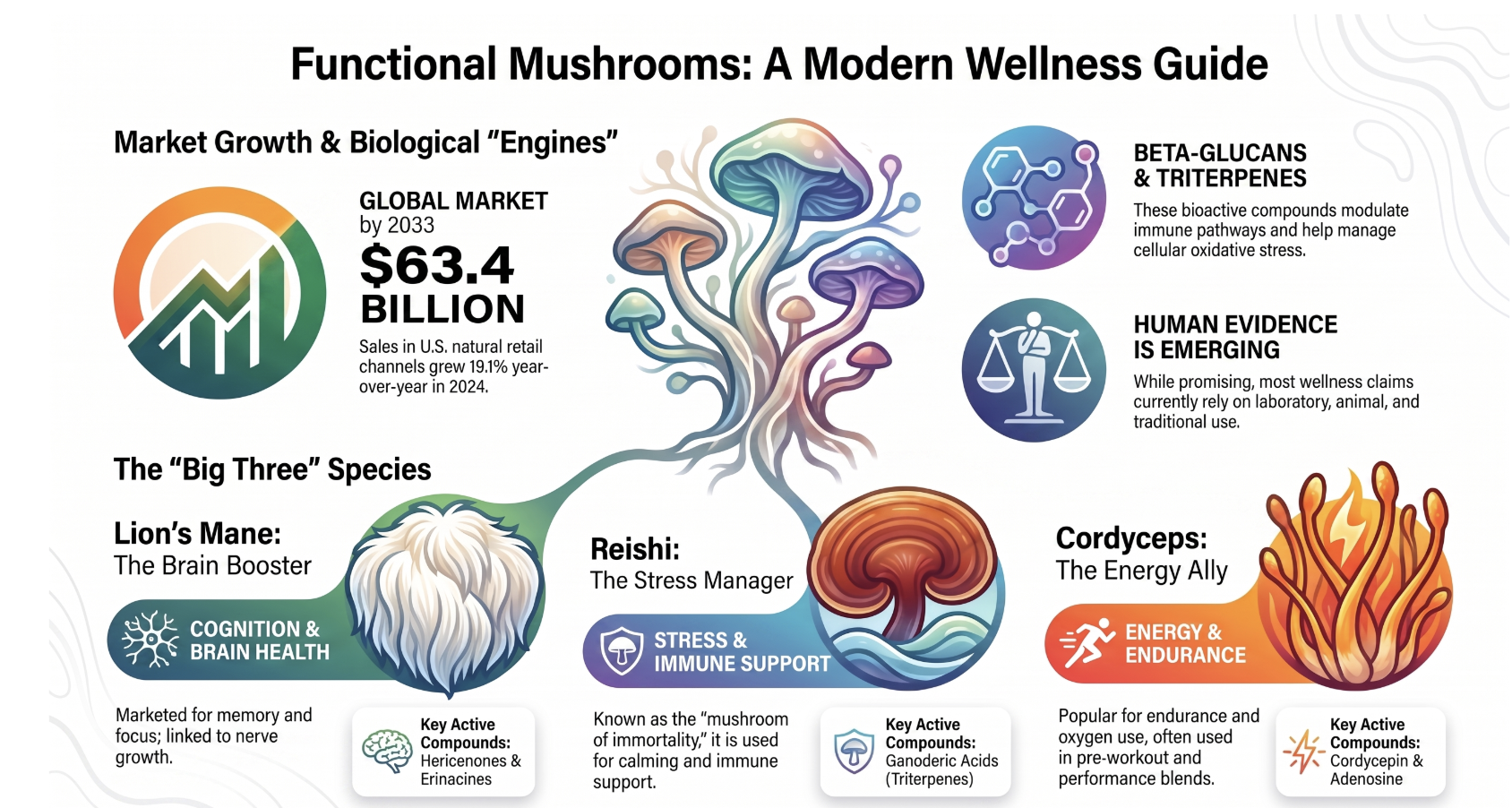
Functional mushrooms are edible, non-psychedelic fungi used in foods, beverages, and supplements because they contain bioactive compounds — beta-glucans, polysaccharides, triterpenes — thought to offer benefits beyond basic nutrition. You'll also hear them called medicinal or adaptogenic mushrooms. Lion's mane, reishi, cordyceps, chaga, and turkey tail are the usual suspects.
One important caveat: their wellness claims vary widely in scientific support. None of this should be confused with FDA-approved medical treatment.
The key compounds
Functional mushrooms share several classes of bioactive compounds, though the amounts and effects vary by species, growing conditions, and extraction method. Their potential benefits are under active study — but product marketing often outruns the actual clinical evidence.
Beta-glucans: A type of polysaccharide and dietary fiber, especially β-(1,3)/(1,6)-glucans, studied for how they interact with immune-system pathways. They potentially modulate immune activity — not simply "boost" it.
Polysaccharides: Large carbohydrate molecules, including beta-glucans and polysaccharide-protein complexes. Among the most common mushroom actives, researched for immune, gut-microbiome, and antioxidant-related effects.
Triterpenes and other terpenoids: Lipid-soluble compounds most associated with reishi, including ganoderic acids. Investigated for anti-inflammatory, antioxidant, and stress-response activity.
Antioxidants: Phenolic compounds, polyphenols, flavonoids, ergothioneine, and related molecules that help counter oxidative stress — at least in laboratory settings.
Sterols and ergosterol: Mushroom sterols, including ergosterol, the fungal precursor to vitamin D2 when exposed to UV light. These also contribute to the nutritional and biochemical profile.
Individual species bring their own signature molecules, too. Lion's mane has hericenones in the fruiting body and erinacines in the mycelium, both studied for nerve-growth-factor activity. Cordyceps has cordycepin and adenosine-related compounds. Chaga is known for pigments like melanin, alongside polysaccharides and triterpenes.
What are they actually good for?
Functional mushrooms are promoted for broad wellness support, but the scientific picture is uneven. Lab and animal findings are abundant. Human studies are often small, short, or specific to one product. The honest way to think about these mushrooms: foods or supplements with plausible biological activity — not proven treatments for illness.
Immune balance. Beta-glucans and related polysaccharides interact with immune pathways, which is why reishi, turkey tail, shiitake, and maitake are marketed for immune support. "Modulation" is the more accurate word here — not a blanket claim that they "boost" immunity.
Cognition and mood. Lion's mane is the main species tied to memory, focus, and nerve-health research. A 16-week randomized, placebo-controlled study found improved cognitive performance with an extract — but larger replication studies are still needed.
Energy and stamina. Cordyceps is the go-to for exercise performance, oxygen use, and fatigue resistance. The clinical evidence is real but limited, and it doesn't establish a universal performance benefit.
Stress resilience and sleep. Reishi and lion's mane both show up in "adaptogenic" blends aimed at stress response. Preliminary studies suggest possible reductions in perceived stress or fatigue — but that's not the same as treating anxiety, insomnia, or burnout.
Inflammation balance. Mushroom polysaccharides, triterpenes, and antioxidant compounds show anti-inflammatory activity in preclinical research. Whether any given supplement produces a meaningful clinical effect depends on species, preparation, dose, and the person taking it.
Gut health. Mushroom beta-glucans are indigestible fibers that reach the colon and may act as prebiotics, helping shape gut microbiota and short-chain-fatty-acid production. Worth noting: much of the strongest human beta-glucan research comes from oat, barley, and yeast — not necessarily from mushroom supplements themselves.
Antioxidant defense. Culinary and functional mushrooms contain ergothioneine, phenolics, and selenium — compounds that participate in antioxidant defense and help limit oxidative stress. That biochemical role doesn't mean a mushroom product prevents disease.
How strong is the evidence?
Functional mushrooms have centuries of traditional use, especially in East Asian health traditions, plus a substantial body of lab and animal research. But human evidence is still developing. The most honest framing: specific extracts show promise, while large, well-controlled trials that nail down consistent benefits, dosing, and long-term safety are still thin on the ground.
Preclinical studies can identify active compounds and plausible mechanisms — immune-pathway effects, antioxidant activity — but results in cell cultures or rodents don't automatically translate to people. Reviews consistently note that many mushroom products lean heavily on traditional use, lab work, and animal studies, with a relatively small number of peer-reviewed human trials behind them.
Some mushroom-derived medicines do have more specific clinical histories. PSK, derived from turkey tail, has been used as an adjunct to standard cancer treatment in Japan. But that doesn't validate every turkey-tail supplement on the shelf, and it doesn't make medicinal mushrooms FDA-approved treatments for cancer or anything else in the United States.
Why product quality varies so much
A supplement's effects can shift dramatically based on species, part used, cultivation substrate, dose, and processing. Fruiting bodies are the visible mushroom structure; mycelium is the threadlike vegetative network. Controlled-culture mycelium can be nutritious and safe on its own — but mycelium grown on grain and sold with the substrate attached may carry a lot of grain-derived starch and a different active-compound profile than you'd expect.
Extraction method matters too. Hot-water extraction concentrates water-soluble polysaccharides like beta-glucans. Alcohol or dual extraction captures less water-soluble compounds, including reishi's triterpenes. A label that spells out species, part used, extraction type, dose, and independently verified composition tells you a lot more than a vague "proprietary blend."
With that groundwork laid, here's a closer look at three of the most popular functional mushrooms: lion's mane, reishi, and cordyceps.
Lion's Mane (Hericium erinaceus)
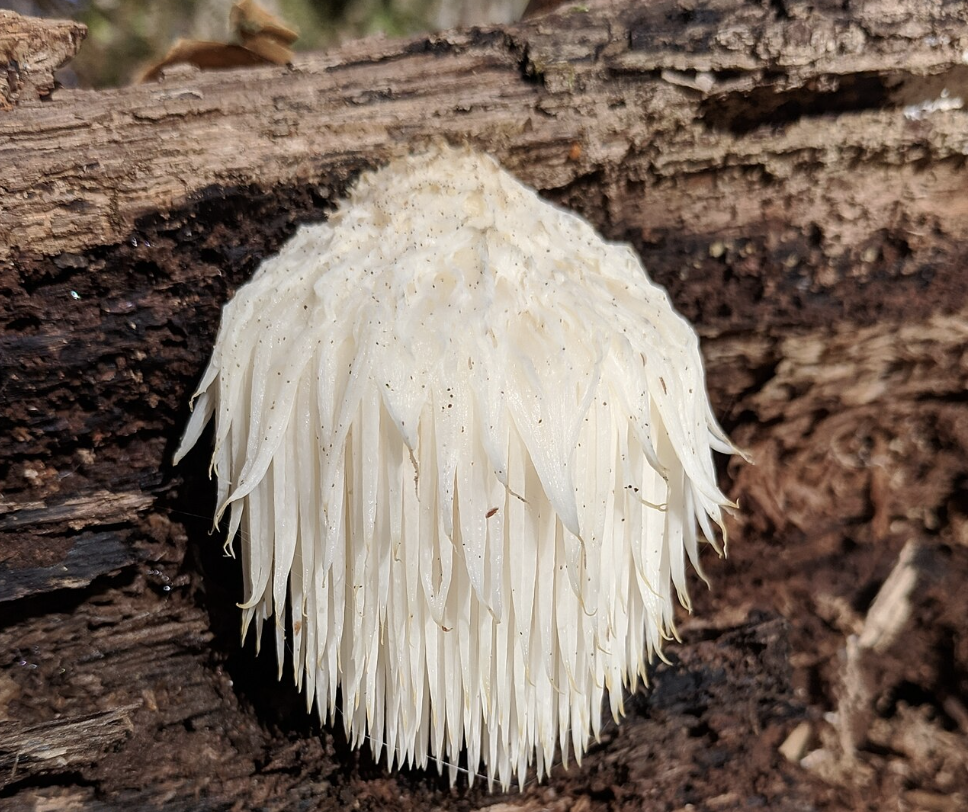
A Lion’s mane mushroom
What it is
Lion's mane is an edible, non-psychedelic mushroom you'd recognize on sight — a striking white, shaggy fruiting body with long, cascading spines that look like a pom-pom or, well, a lion's mane. In the kitchen, its tender, meaty texture and mild flavor draw comparisons to seafood, particularly crab or lobster. It's often sautéed, shredded, or served as a plant-forward centerpiece.
It's been part of traditional Chinese medicine for centuries, mainly for digestive complaints and general vitality. Today it's marketed heavily for cognitive and gut-health support. Modern research has identified compounds like hericenones and erinacines, with promising early findings — but human clinical evidence is still limited. Lion's mane isn't a proven therapy for cognitive or gastrointestinal conditions. Not yet, anyway.
How it works
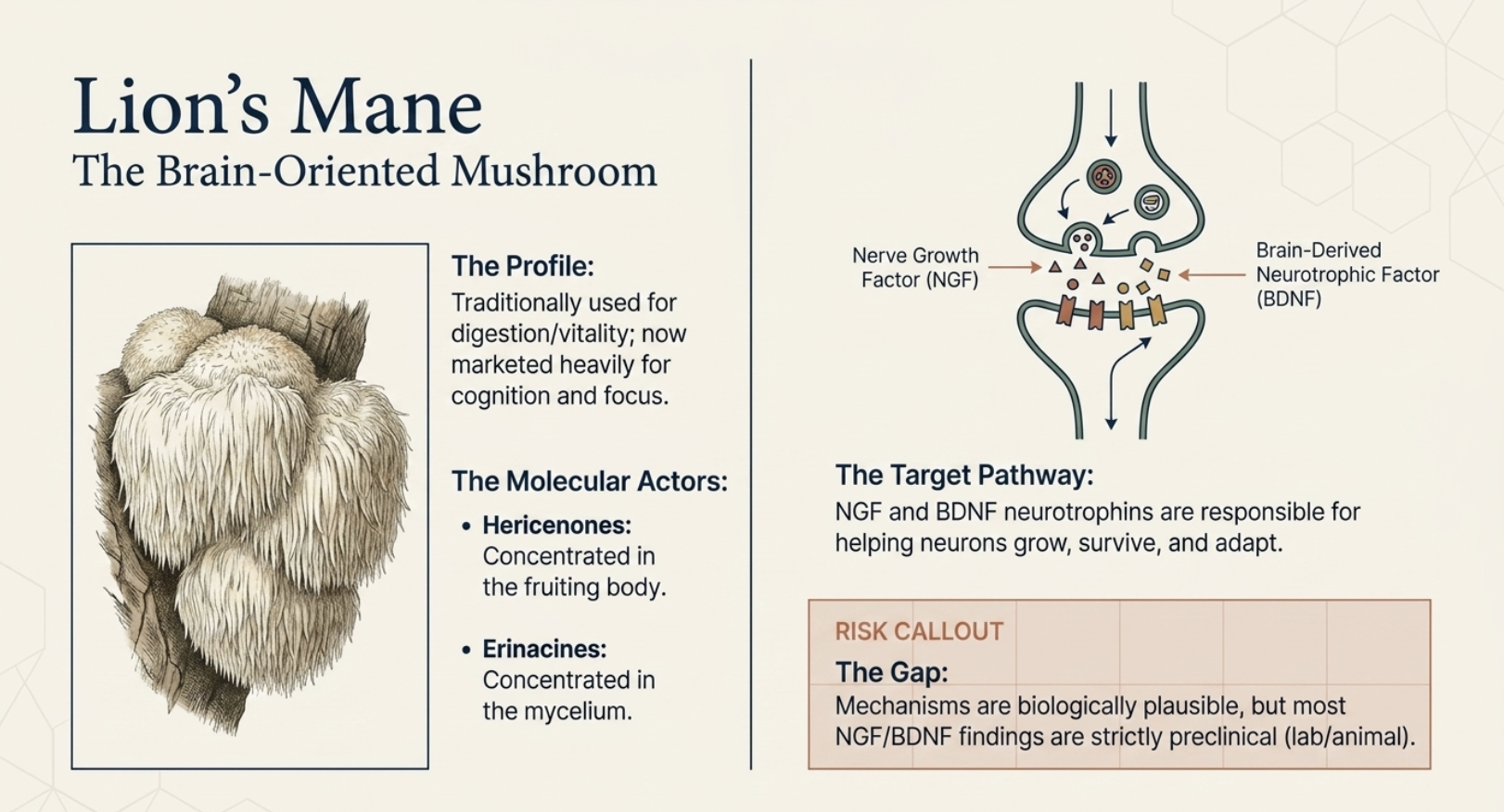
Lion's mane contains hericenones, found mainly in the fruiting body, and erinacines, concentrated in the mycelium. In lab and animal research, these compounds have been linked to increased production or signaling of nerve growth factor (NGF), with some evidence pointing to effects on brain-derived neurotrophic factor (BDNF) as well. These neurotrophins help neurons grow, survive, and adapt.
The mushroom also delivers beta-glucans, polysaccharides, and antioxidant compounds under study for immune-modulating, anti-inflammatory, and neuroprotective effects. These mechanisms are biologically plausible and promising — but most of the NGF/BDNF findings are preclinical. That means they don't yet prove a lion's mane food or supplement will sharpen cognition or prevent neurological disease in humans.
Health benefits
Lion's mane has the most promising — though still limited — human evidence for cognitive support of any mushroom on this list. A small 16-week randomized trial in adults ages 50 to 80 with mild cognitive impairment found improved cognitive-testscores with lion's mane extract. Other studies point to possible benefits for processing speed, memory, focus, and perceived stress. But a 2025 placebo-controlled study found no significant overall acute improvement in cognition or mood — so the picture isn't uniform.
Early studies also hint at mood and stress benefits, including reduced anxiety or depression symptoms in some participants. Still, lion's mane is not an established treatment for any mental-health condition. Its hericenones and erinacines are being studied for neurotrophic and neuroprotective pathways tied to nerve growth and repair, but claims that it "regenerates nerves" or prevents neurodegenerative disease remain unproven in humans.
It also contains beta-glucans and antioxidant compounds, with preliminary research suggesting possible support for gut-microbiome balance, digestive health, immune regulation, and inflammation control. Most of that evidence is still lab-, animal-, or small-trial-based.
What the studies show

The most-cited study is a small 2009 Japanese double-blind, placebo-controlled trial of 30 adults ages 50 to 80 with mild cognitive impairment. Participants took 3 grams daily of lion's mane powder or a placebo for 16 weeks. The lion's mane group scored significantly higher at weeks 8, 12, and 16 on the Revised Hasegawa Dementia Scale — a cognitive assessment similar in purpose to the MMSE. But scores dropped four weeks after supplementation stopped, suggesting any effect may be modest and dependent on continued use.
A separate, longer trial looked at erinacine-A-enriched lion's mane mycelium in people with mild Alzheimer's disease. It reported better MMSE, Cognitive Abilities Screening Instrument, and instrumental-daily-living scores after 49 weeks compared with placebo. Together, these trials support a promising but preliminary signal for cognitive benefit in older adults with impairment. They're small, use different preparations and cognitive tests, and need larger independent replication before lion's mane can be called a proven therapy for mild cognitive impairment or dementia.
A 2023 randomized, double-blind, placebo-controlled pilot study tested 1.8 grams per day of lion's mane extract in 41 healthy adults ages 18 to 45, looking at both a single acute dose and 28 days of use. Sixty minutes after one dose, the lion's mane group completed a Stroop attention-and-processing task faster than the placebo group. After 28 days, researchers saw a near-significant trend toward lower self-reported stress.
Encouraging — but preliminary. The study was small, the cognitive effect was task-specific rather than proof of broad cognitive enhancement, and the stress finding didn't clear the conventional statistical bar. A follow-up acute crossover trial using a different, standardized fruiting-body extract found no significant improvement in overall cognitive performance or mood, though it did find better performance on one pegboard task 90 minutes after dosing. The takeaway: any acute benefit is likely narrow, formulation-dependent, and in need of larger replication.
Reishi (Ganoderma lucidum)
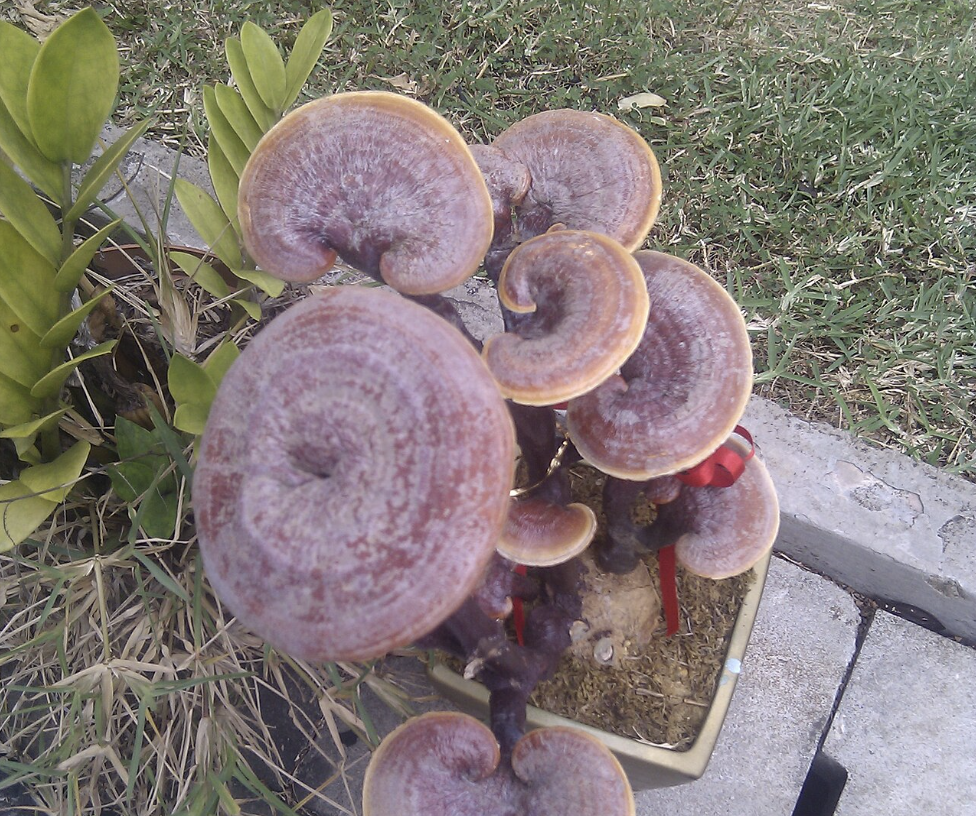
Reishi mushrooms
What it is
Reishi, sometimes identified as Ganoderma lucidum or a closely related species, is a tough, woody bracket — or shelf — fungus known in Chinese as lingzhi. Its long association with well-being and longevity has earned it the nickname "mushroom of immortality." Historical sources document its use across Chinese, Japanese, and other East Asian traditions for more than 2,000 years.
Unlike a tender culinary mushroom, reishi is leathery and pronouncedly bitter, so it's rarely eaten fresh. Instead, it's typically simmered into teas or soups, dried and powdered, or processed into extracts and supplements. Traditional use frames it as a tonic for vitality, longevity, and calm — but that history alone doesn't establish modern clinical effectiveness.
How it works
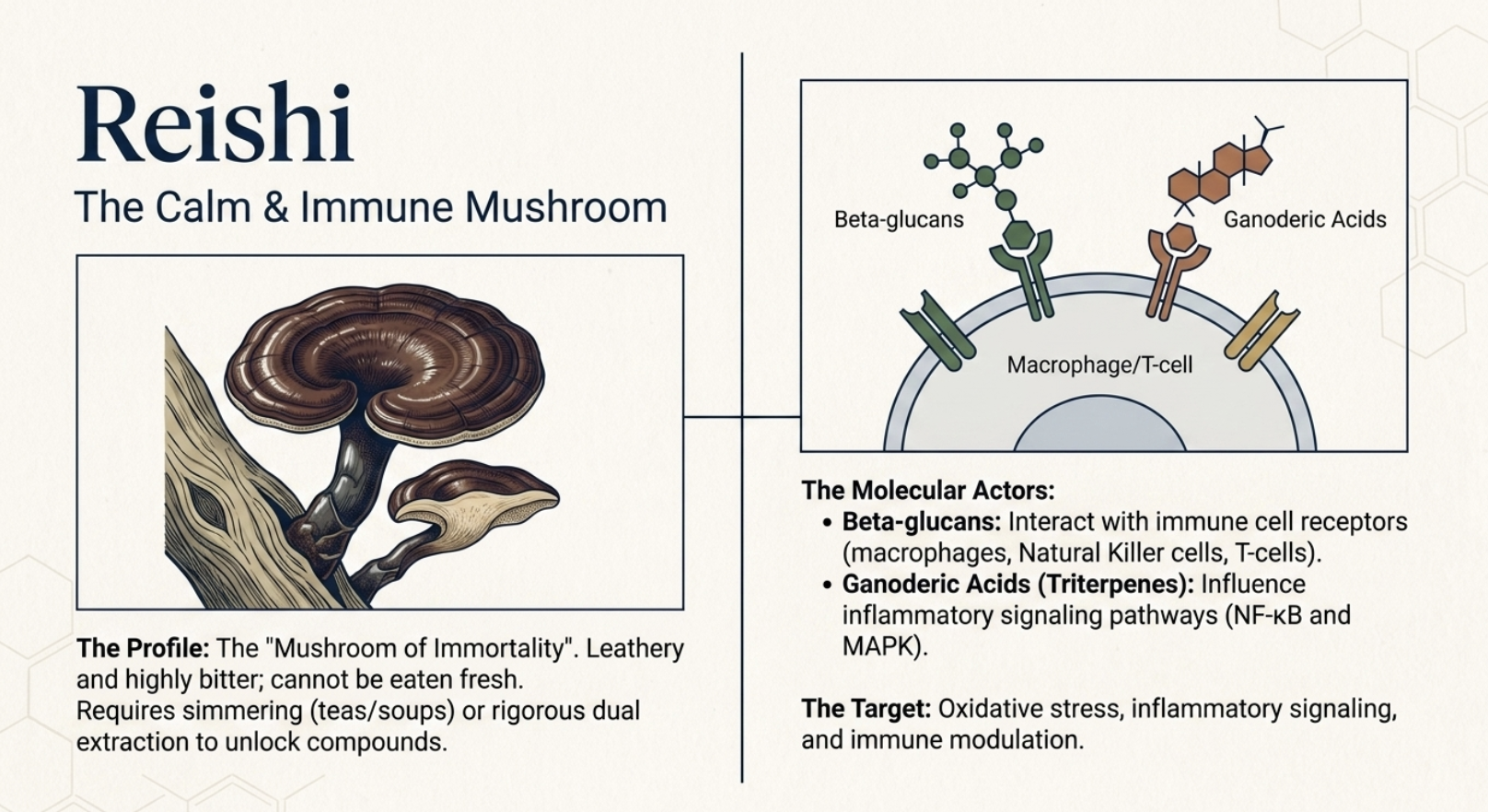
Reishi's main actives are beta-glucans and other polysaccharides, plus triterpenes known as ganoderic acids. In lab and animal studies, reishi polysaccharides interact with receptors on immune cells — macrophages, natural-killer cells, T cells — affecting cytokine signaling and other pathways involved in regulating immune response.
Its triterpenes, peptides, and antioxidant compounds are also studied for their ability to limit oxidative stress and influence inflammatory signaling, including the NF-κB and MAPK pathways. Those mechanisms help explain reishi's reputation as an immune- and stress-support mushroom. But most of that mechanistic evidence is preclinical. What any particular tea, powder, or extract actually does in humans depends heavily on species, dose, and processing — and it's less certain than wellness marketing tends to suggest.
Health benefits
The most plausible description of reishi: an immune-modulating, antioxidant-support mushroom. Its beta-glucans, polysaccharides, and triterpenes have shown effects on immune signaling, inflammation, and oxidative stress in lab and animal studies. Small human studies — often involving people undergoing cancer care — have reported changes in some immune markers and, in limited settings, improvements in fatigue, anxiety, appetite, or quality-of-life measures. None of this establishes reishi as a treatment for cancer, infection, or autoimmune disease.
Reishi is also marketed for stress, sleep, stamina, metabolic health, and liver support, but the clinical evidence for these uses is sparse, mixed, or product-specific. A 2024 review of self-reported outcomes found perceived improvements in fatigue, depression, nausea, and appetite among users — but larger, rigorous trials are still needed to confirm benefits and pin down effective doses. One practical note: concentrated extracts can interact with medications, particularly anticoagulants or antiplatelet drugs. Anyone with a medical condition or on prescriptions should check with a clinician before regular use.
What the studies show
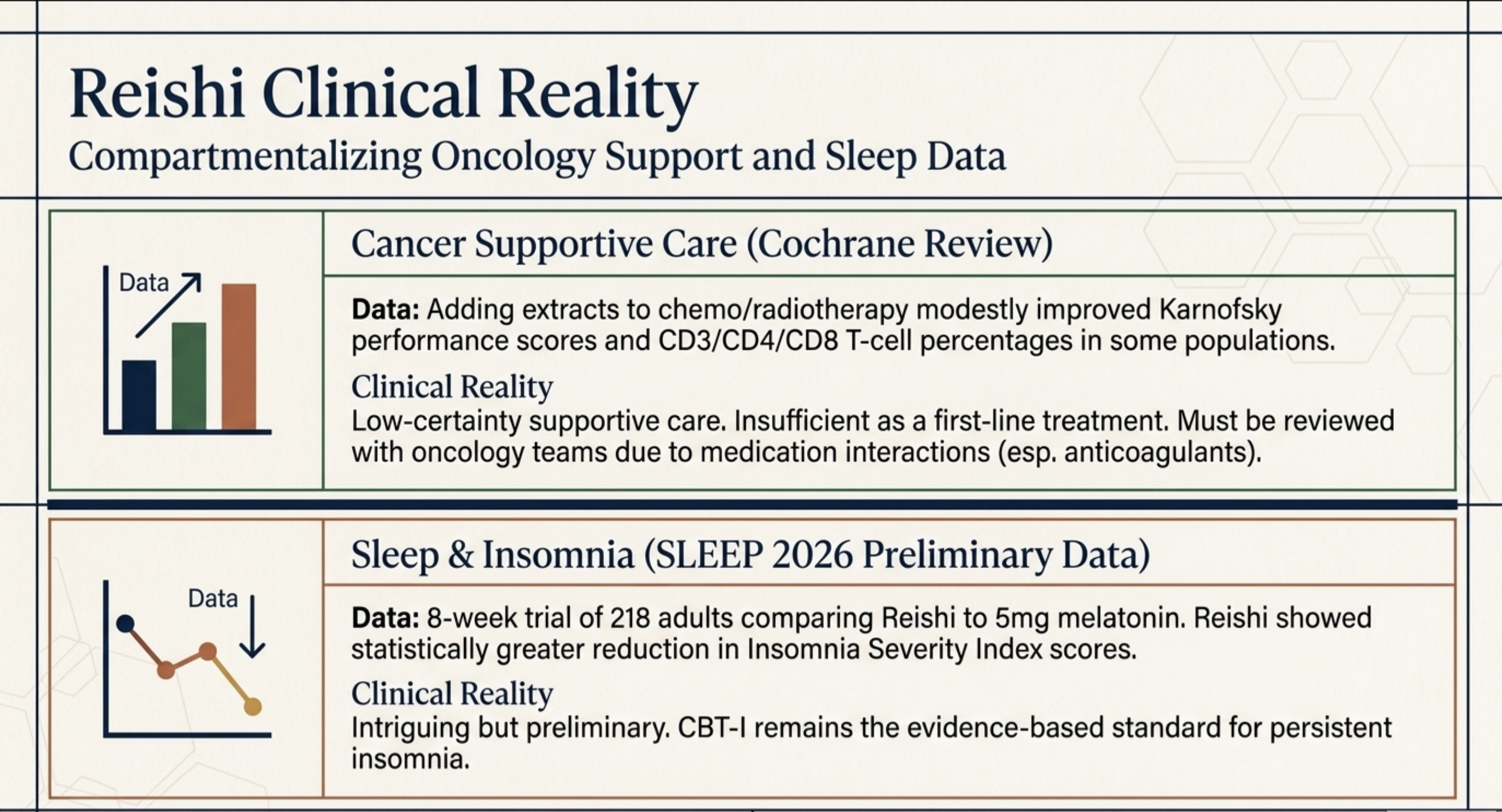
Small randomized trials, summarized in a Cochrane review, suggest that adding certain Ganoderma lucidum extracts to chemotherapy or radiotherapy may modestly improve patient-reported quality of life and selected immune markers in some cancer populations. Across four trials, participants receiving reishi were more likely to show improved Karnofsky performance-status scores; pooled data also found modest increases in CD3, CD4, and CD8 T-cell percentages, while changes in natural-killer-cell activity were less certain.
This is best viewed as low-certainty supportive-care evidence — not proof that reishi treats cancer, shrinks tumors on its own, or extends survival. The trials were generally small and used differing preparations and treatment settings. The Cochrane authors concluded the evidence was insufficient to justify reishi as a first-line cancer treatment. It should only be considered alongside — never instead of — oncology-directed care, and only with an oncology team's review of possible interactions.
A recent 8-week randomized trial, reportedly presented at the SLEEP 2026 meeting, compared nightly reishi extract with 5 mg of melatonin in 218 adults with chronic insomnia. Both groups improved, but the reishi group reportedly showed a statistically greater reduction in Insomnia Severity Index scores. About 96% of participants completed the study, with no serious adverse events reported.
Intriguing, but preliminary. This should be treated cautiously until the full study is peer-reviewed and its methods, extract standardization, blinding, effect size, conflicts of interest, and follow-up data are all available. It also doesn't make reishi a first-line insomnia treatment. Cognitive behavioral therapy for insomnia (CBT-I) remains the evidence-based standard, and people with persistent insomnia should be evaluated for underlying conditions, medications, and sleep disorders rather than reaching for a supplement alone.
Cordyceps (Cordyceps sinensis / Cordyceps militaris and related)
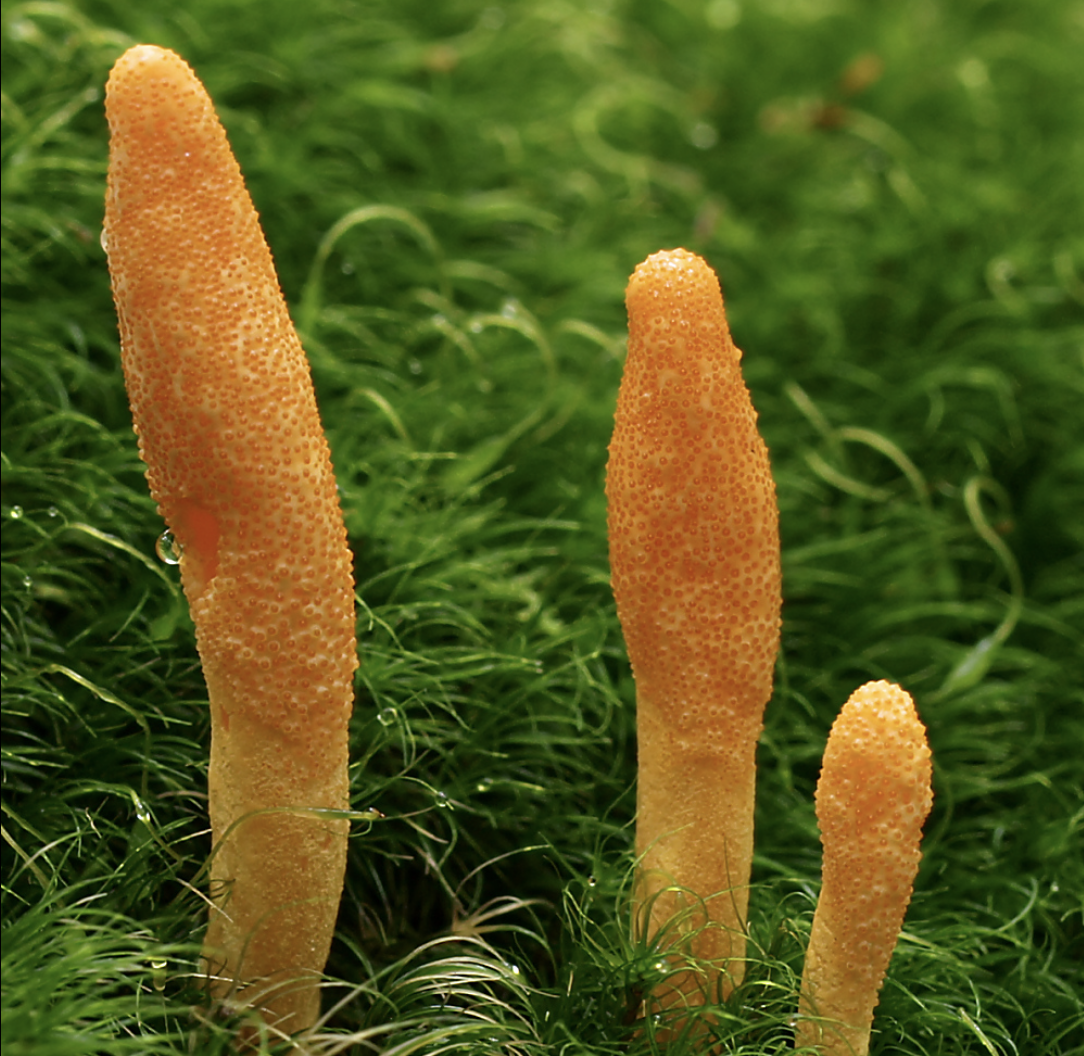
Cordyceps mushrooms
What it is
Cordyceps refers to a group of parasitic fungi, most famously the "caterpillar fungus" Ophiocordyceps sinensis (formerly Cordyceps sinensis). In the wild, it infects ghost-moth larvae in the high-altitude Himalayan and Tibetan Plateau region, producing the strange fungus-and-caterpillar complex known as yartsa gunbu, or "winter worm, summer grass."
Because wild O. sinensis is scarce and expensive, most commercial products now use cultivated Cordyceps militaris — a more accessible species grown under controlled conditions, containing compounds like cordycepin and adenosine. In Traditional Chinese Medicine, cordyceps has long served as a tonic for energy, vitality, and recovery, and for what that tradition describes as lung and kidney support. Modern marketing often stretches those ideas toward stamina and respiratory wellness, though clinical evidence for specific benefits remains limited and product-dependent.
How it works
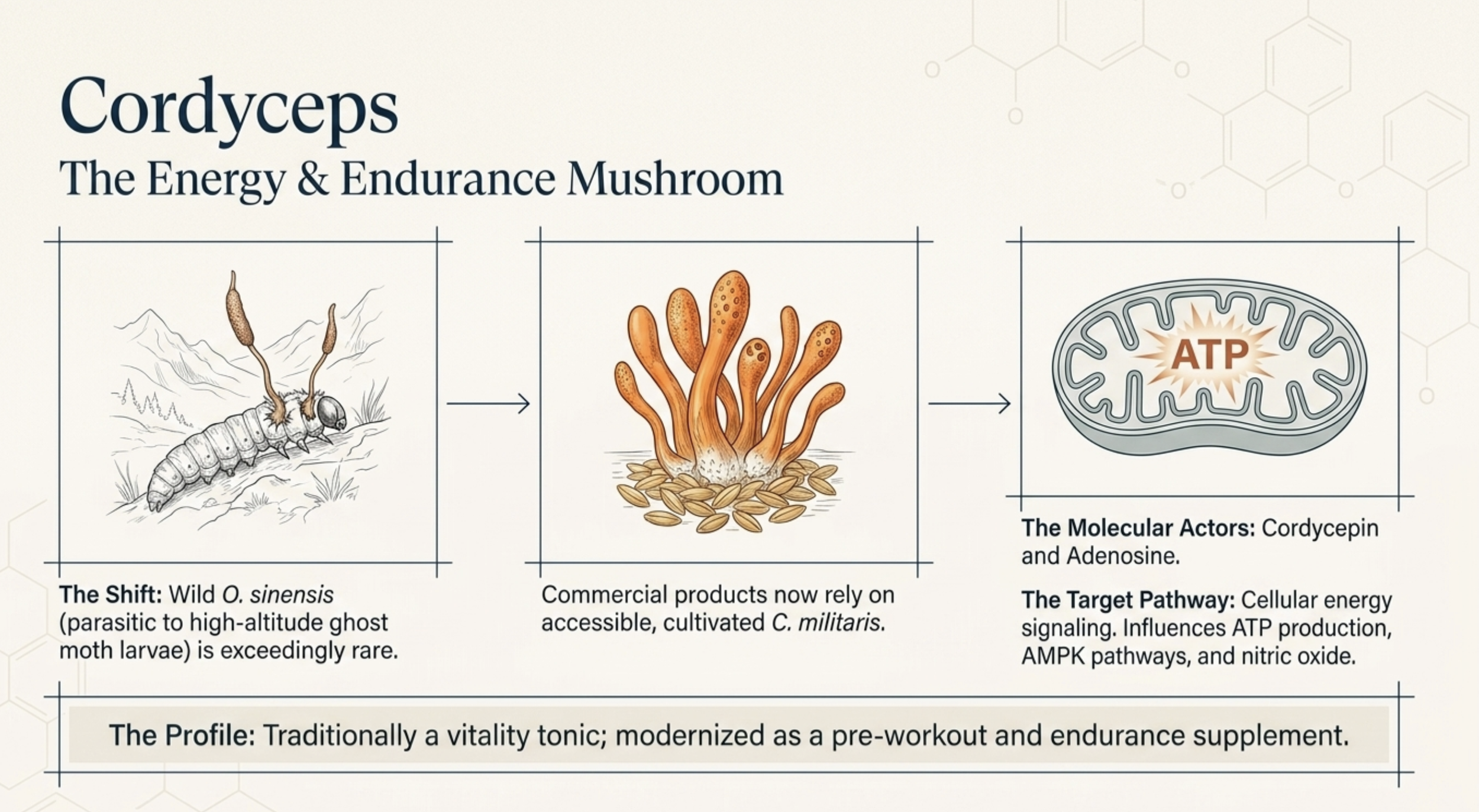
Cordyceps contains cordycepin (structurally related to adenosine), adenosine itself, polysaccharides, sterols, and antioxidant compounds. In cell and animal studies, these constituents influence cellular energy signaling — including pathways involving ATP, AMPK, and nitric oxide — offering a plausible explanation for cordyceps' traditional use and modern marketing around energy, oxygen utilization, and exercise recovery.
Cordyceps compounds are also being studied for effects on immune-cell signaling, inflammatory cytokines, and oxidative stress, with polysaccharides especially relevant to antioxidant and immune-modulating activity. These mechanisms are mainly based on preclinical research, and human trials of whole cordyceps products have produced mixed, formulation-specific results. It's not established that a cordyceps supplement reliably increases endurance, oxygen capacity, or energy in healthy people.
Health benefits
Cordyceps is best known for its potential exercise and fatigue-related benefits. Small trials of Cordyceps sinensis preparations and C. militaris blends have reported improvements in measures like ventilatory threshold, time to exhaustion, or exercise tolerance — particularly after weeks of use or in older, less-trained adults. Results for VO₂ max and athletic performance remain inconsistent. It's reasonable to describe cordyceps as a possible endurance-support supplement, rather than a proven performance enhancer.
Its cordycepin, polysaccharides, and antioxidant compounds are also under study for immune modulation, inflammation balance, oxidative stress, glucose and lipid metabolism, and kidney or liver protection. Most evidence for these broader effects comes from cell and animal experiments; human clinical data is limited, heterogeneous, and dependent on species, extract, and dose. Cordyceps should not be used to treat diabetes, kidney disease, inflammatory conditions, or cancer.
What the studies show
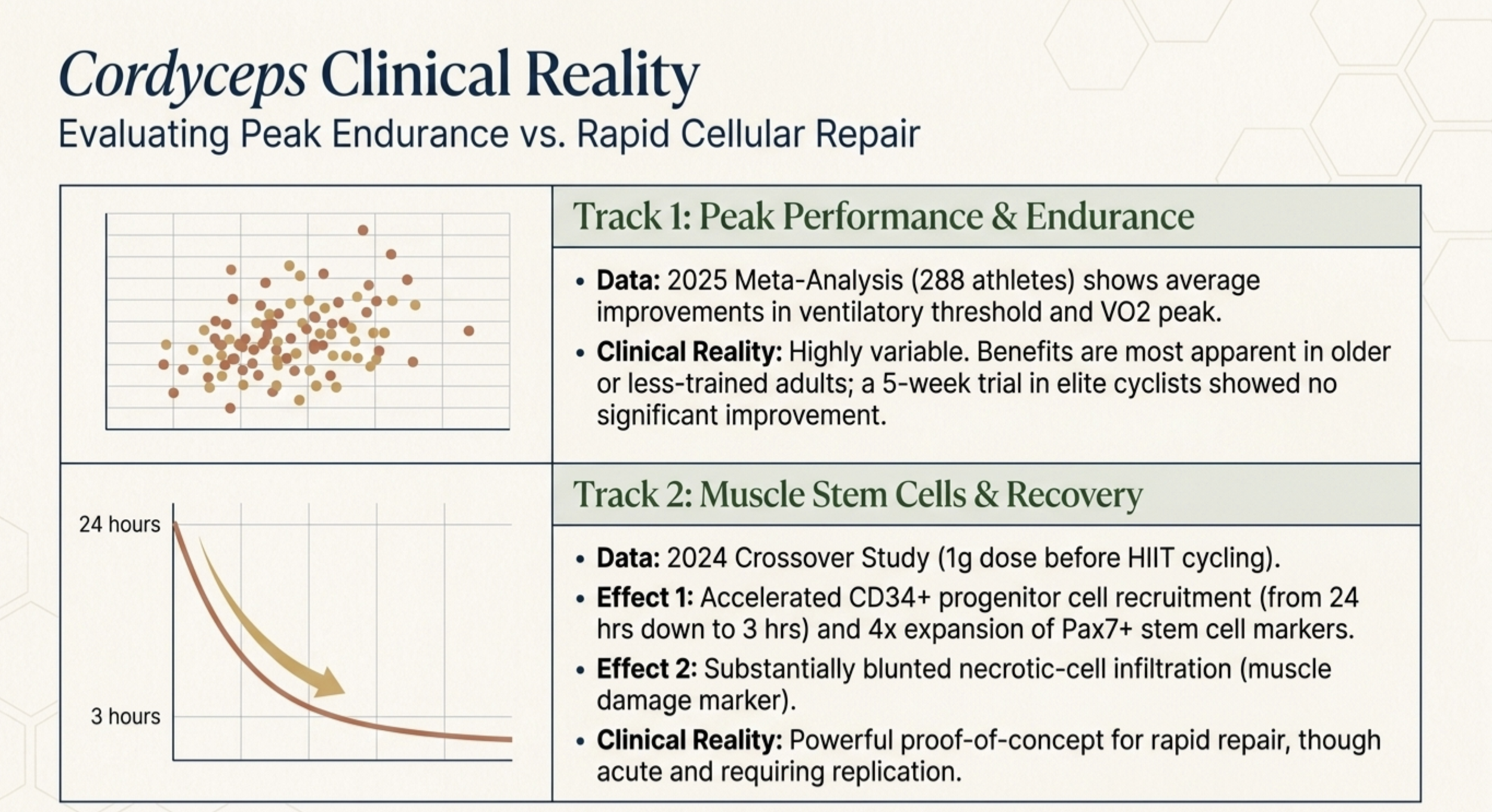
There's a real — though still limited — human performance literature behind cordyceps. A 2025 meta-analysis of eight randomized trials (288 athletes in the quantitative analysis) found statistically significant average improvements in endurance performance, ventilatory threshold, and VO₂ peak with Cordyceps sinensis supplementation. But the trials varied substantially in participants, products, doses, and protocols.
Individual studies show changes after roughly 2 to 12 weeks: in healthy older adults, 12 weeks of a standardized C. sinensis product increased metabolic threshold by 10.5% and ventilatory threshold by 8.5%, without a significant VO₂ max change. A three-week C. militaris blend study found exploratory improvements in time to exhaustion, VO₂ max, and ventilatory threshold.
The key caveat: results aren't uniform, especially in well-trained athletes. A five-week placebo-controlled trial in endurance-trained male cyclists found no improvement in VO₂ peak, ventilatory threshold, or time-trial performance. Any benefit may be more apparent in recreationally active, older, or lower-fitness participants and may depend on the extract and duration of use. Overall, cordyceps is a plausible but unproven ergogenic aid — not a substitute for training, recovery, nutrition, or medical evaluation of fatigue or breathlessness.
There's also early evidence for accelerated muscle stem cell recruitment and reduced exercise-induced damage markers after high-intensity exercise. This comes from a 2024 randomized, double-blind, placebo-controlled crossover study in just 14 young adults. Participants took 1 gram of Cordyceps sinensis before high-intensity interval cycling at 120% of maximal aerobic power. Compared with placebo, cordyceps accelerated the appearance of CD34-positive progenitor cells in exercised muscle — from 24 hours down to 3 hours after exercise — and was associated with a fourfold expansion of Pax7-positive satellite-cell markers, which are muscle-resident stem cells involved in repair and adaptation. That points to a potentially faster early regenerative response.
The same study found that a rise in necrotic-cell infiltration — a marker of acute exercise-related muscle damage — was substantially blunted with cordyceps and resolved within 24 hours. An intriguing proof-of-concept result, but it doesn't establish better long-term muscle growth, strength gains, soreness relief, or athletic performance. The study was acute, involved a very small sample, used one preparation and dosing protocol, and needs larger independent replication.
Bringing it all together
Lion's mane, reishi, and cordyceps have distinct wellness "lanes," but they overlap in one important way: all three contain polysaccharides — especially beta-glucans — and antioxidant compounds being studied for immune modulation, inflammation balance, and protection against oxidative stress. Those shared mechanisms are biologically plausible, but the strength of human evidence differs by mushroom, preparation, and claimed outcome.
The short version: lion's mane is the brain-oriented mushroom. Reishi is the calm-and-immune mushroom. Cordyceps is the energy-and-endurance mushroom. All three may contribute beta-glucans and other antioxidant compounds — but none should be presented as a proven treatment for cognitive decline, insomnia, chronic fatigue, cancer, infection, or inflammatory disease.
How to actually use them
Functional mushrooms show up as whole foods or get worked into teas, broths, coffees, powders, tinctures, and capsules. For culinary lion's mane, treat it like any other mushroom — sauté it. Woody reishi is generally simmered as tea or used as an extract. Cordyceps is most often consumed as a cultivated powder, extract, or capsule.
Choosing a product
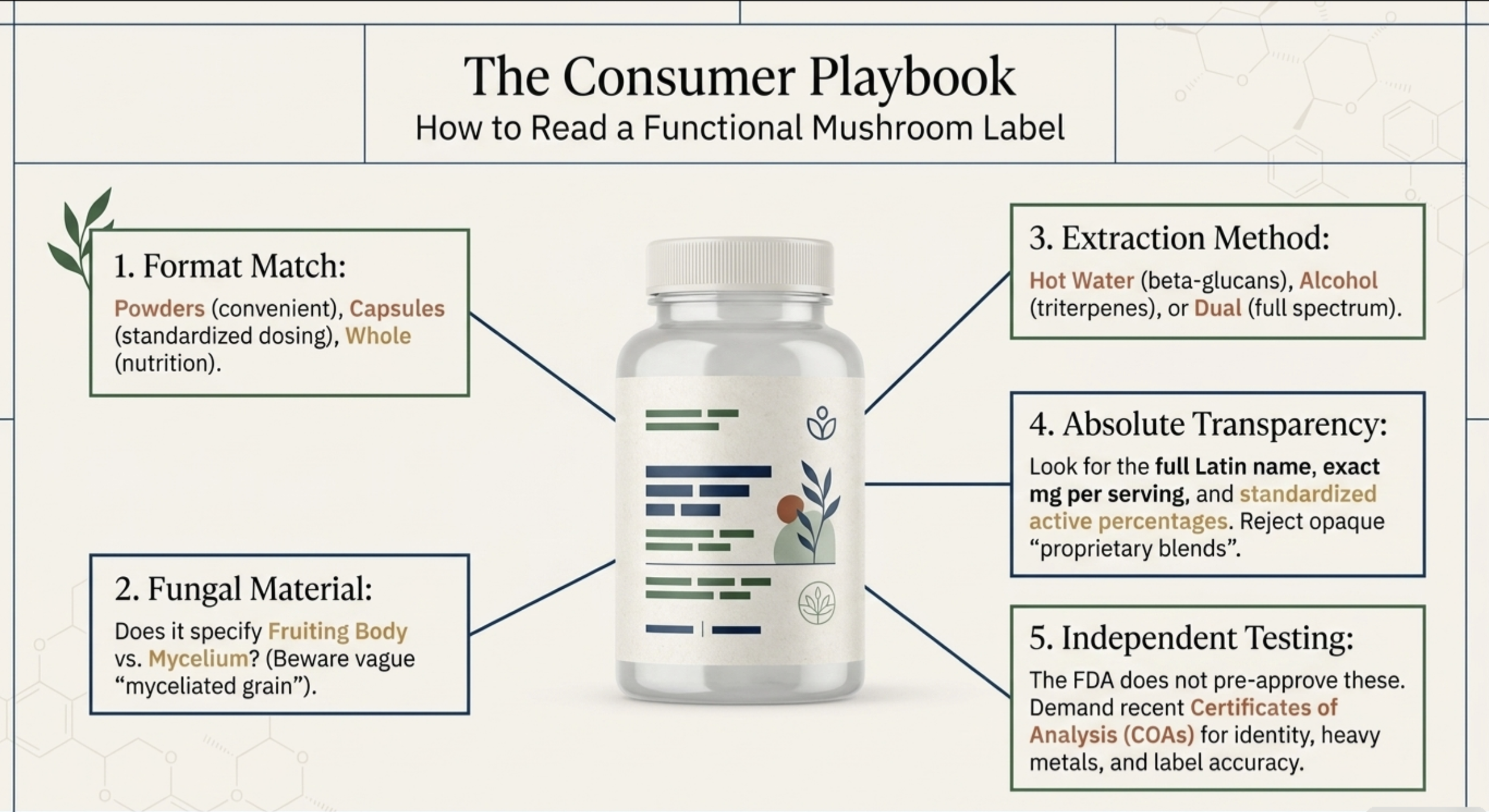
Match the format to the goal. Whole mushrooms are best for food enjoyment and nutrition. Powders are convenient but may be less concentrated. Capsules and standardized extracts make dosing clearer. Teas are approachable, but their strength varies.
Check the fungal material. The label should identify the species and clearly state whether it contains fruiting body, mycelium, or both. Fruiting-body extracts are often preferred for beta-glucan content, but mycelium can carry distinct compounds — lion's mane erinacines, for example — so "fruiting body versus mycelium" isn't a universal quality ranking. Be especially cautious of vague "myceliated grain" products that don't disclose residual starch or active-compound amounts.
Understand extraction. Hot-water extraction generally concentrates water-soluble beta-glucans. Alcohol extraction can capture less water-soluble compounds, like reishi triterpenes. A dual extract uses both approaches and can be useful when a species has relevant compounds in both fractions.
Demand transparency. Look for the full Latin species name, the mushroom part used, the extract ratio or method, milligrams per serving, and any standardized beta-glucan or triterpene content. Skip opaque proprietary blends that block meaningful dose comparisons.
Seek independent testing. Favor products with a recent certificate of analysis or credible third-party verification for species identity, heavy metals, pesticides, microbes, and label accuracy. The FDA doesn't preapprove or test dietary supplements before they hit the market, so independent verification carries real weight.
Have you tried functional mushrooms? Share your experience - send us a message on the Contact page. Happy mushrooming!